
A total of 118 teenage pregnancies were recorded from April to August this year in the Namakwa district.
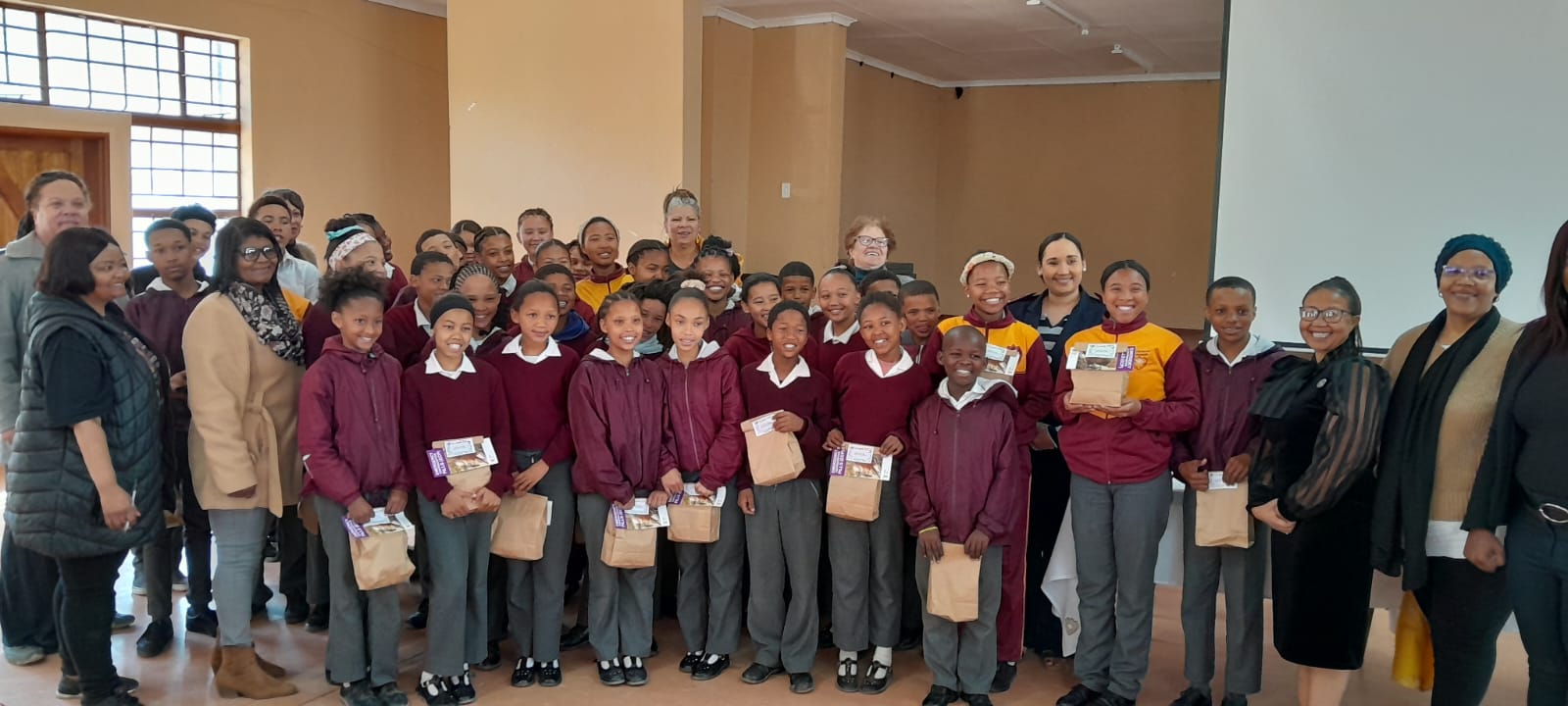
These statistics were disclosed during a campaign aimed at increasing awareness about the teenage pregnancy program, organized by the office of the executive mayor in the Namakwa district municipality at Matjieskloof Primary School on Thursday, 12 September 2024.
Sister Michaela De Wet reported that among the 118 pregnancies, 99 teenagers gave birth between April and July 2024, with an additional 19 births in August. These births were among adolescents aged 10 to 19.
The breakdown of teenage deliveries per municipality is as follows:
– Nama-Khoi: 48
– Richtersveld: 9
– Khai-Ma: 10
– Hantam: 25
– Kamiesberg: 6
– Karoo-Hoogland: 20
Gillian Pieters, the district municipal speaker, said factors contributing to the rise in teenage pregnancies, including inadequate sex education, high rates of gender-based violence, sexual barriers, poverty, and limited access to family planning. Pieters also expressed concerns about young girls turning to prostitution due to lack of guidance and economic hardship.
Jamien Cloete (19) advised young people to consider the financial implications of having children, particularly in a challenging economic environment where many families rely on limited government social grants. Cloete emphasized the financial strain brought on by baby essentials.
“South African economy has strangled many, and as a fresh out matriculant of 2023, I am already feeling the heat. So, please take note of the baby essentials (diapers, milk, medicine, clothes, and food etc) are expensive”.
Pastor Edward Swaartbooi from the Civil Society HIV/AIDS in the Namakwa urged learners to be aware of the risks of unsafe and reckless sexual behavior, emphasizing the potential for contracting sexually transmitted infections (STIs), HIV/AIDS, and other diseases.
Cyloria Beukes, a representative from the District Department of Education, called for a collective community effort in addressing teenage pregnancies. Beukes emphasized the need for involvement from parents, religious leaders, and community organizations in providing support and creating an environment where young people can thrive.
“Addressing teenage pregnancies is not just the responsibility of schools and health care providers, it requires the involvement
of the whole community,” said Beukes. “Parents, religious leaders, and community organizations all have a role to play in the support
of young people and creating an environment where they can flourish”.
